The Swing Era and the Rise of the Big Bands
The Swing Era and the Rise of the Big Bands
How the swing era’s big bands reshaped jazz, dance culture, and American popular music during the 1930s and early 1940s.
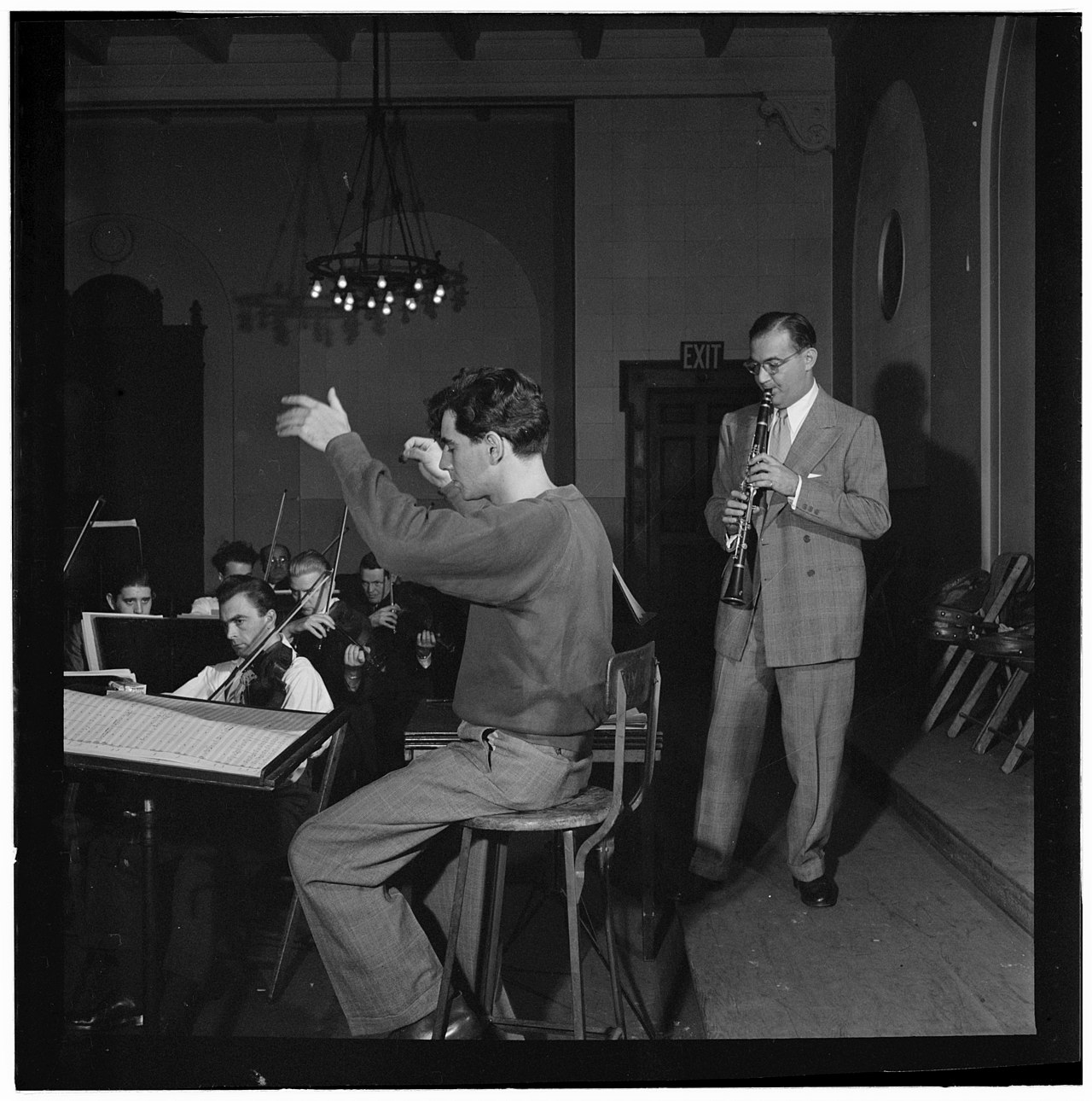
By the mid-1930s jazz had grown from New Orleans small-group improvisation into a national phenomenon led by large, tightly arranged ensembles. Known as the swing era, roughly 1935–1945, this period saw 12–16‑piece orchestras—“big bands”—dominate ballrooms, the radio, and the popular imagination. Leaders such as Duke Ellington, Count Basie, Benny Goodman, and Glenn Miller turned jazz into a mass-market art form while preserving room for soloistic brilliance within arranged frameworks [1][2].
From dance halls to nationwide radio
Swing’s commercial success depended on dance culture and broadcast exposure. Ballrooms like the Savoy in Harlem and the Palomar in Los Angeles hosted nightly dances where orchestras refined the rhythmic drive and sectional interplay that defined the sound. Radio broadcasts and record sales made certain bands household names, and arrangers learned to craft riffs and call‑and‑response textures that translated well to both live dancers and radio listeners [1].
Arrangements, sections, and the rhythm that swung
Big bands organized players into brass, reeds, and rhythm sections. Arrangers formalized ideas—riff-based grooves, shout choruses, and sectional trading—that allowed bands to present dramatic, tightly coordinated performances while still featuring improvised solos. The rhythm section’s shift from banjo and tuba to guitar and string bass lightened the groove and encouraged a 4/4 feel that dancers found irresistible; Count Basie’s flowing meter and light touch became especially influential [1]. The arranger’s role—Fletcher Henderson, Don Redman, and later William Basie collaborators—became central to a band’s identity [1][2].
Key bands and leaders
Duke Ellington: Ellington’s orchestra was notable for its unique tonal palette and sophisticated compositions that blurred the line between popular entertainment and concert music. Ellington’s writing emphasized individual voices within the band, creating distinct timbres and moods [1].
Count Basie: Emerging from the Kansas City swing tradition, Basie’s rhythm-driven, economical approach emphasized groove and space. His band’s small-group offshoots—“bands within a band”—showcased soloists while keeping the big band’s power intact [1][2].
Benny Goodman: Marketed as the “King of Swing,” Goodman’s 1935 success with national radio and his historic Carnegie Hall concert in 1938 helped bring swing to wider (and whiter) audiences. Goodman’s success showed how swing could cross racial and cultural boundaries, even as segregation and unequal treatment persisted in the industry [1][3].
Glenn Miller and the mainstream swing sound: Miller’s highly arranged, melody-forward approach became commercially dominant in the late 1930s and early 1940s, filling dance halls and record charts with polished, radio-friendly hits.
Innovation and tension: improvisation inside an arranged world
Although big bands relied on written charts, swing preserved improvisation through featured soloists and small-group passages embedded in arrangements. This balance—arrangement serving as a framework for improvisation—was central to the era’s musical creativity. The era also set the stage for later developments: the technical and harmonic advances of swing-era soloists helped create the vocabulary bebop musicians would later use to push jazz in new directions [1][2].
Race, labor, and the end of the big-band dominance
Swing’s commercial structures exposed persistent racial inequalities. Many African American innovators—Ellington, Basie, Fletcher Henderson, and others—influenced the sound while white bandleaders often reaped greater mainstream exposure and financial reward. The economics of touring, the 1942–44 American Federation of Musicians recording ban, World War II personnel shortages, and changing tastes all contributed to the decline of the big band as the dominant commercial format by the late 1940s [2][3].
Why It Matters
The swing era transformed jazz from regional music into a central force in American culture. Its combination of sophisticated arranging, charismatic bandleaders, and virtuoso soloists created a musical language that influenced popular music, dance, and later jazz innovations. Understanding the era is essential for anyone tracing how jazz evolved into the modern forms that followed [1][2][3].
Sources
- www.britannica.com — https://www.britannica.com/art/swing-music
- guides.loc.gov — https://guides.loc.gov/jazz-stock-arrangements/big-band-parts
- acousticmusic.org — https://acousticmusic.org/research/history/musical-styles-and-venues-in-america/big-bands-and-the-swing-era/